
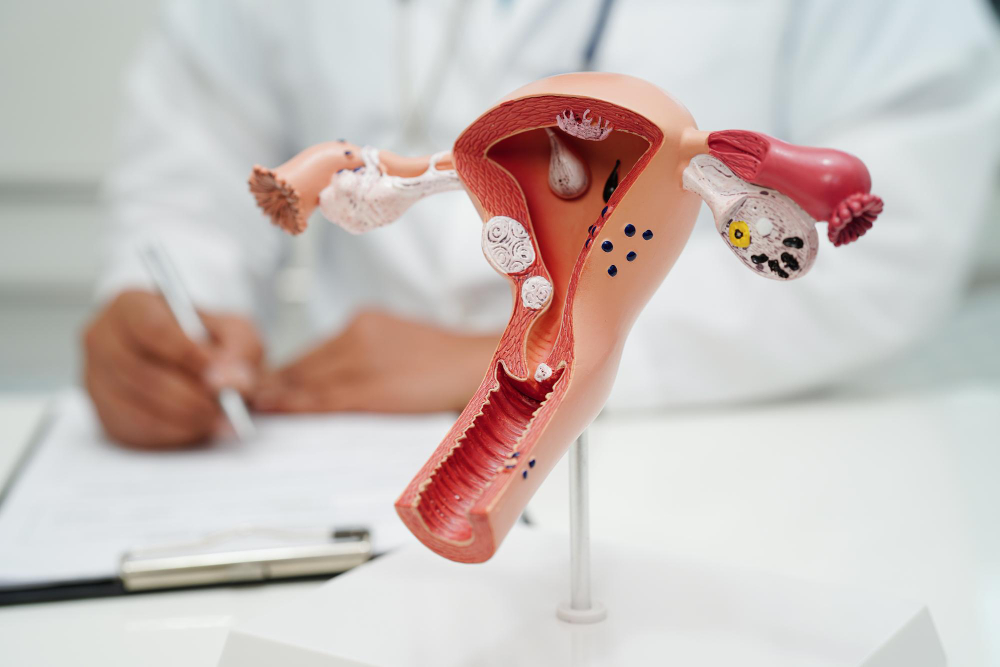
Uterine fibroids are common growths in the uterus. Many women develop them during their childbearing years. Although most fibroids are not cancer, they can cause discomfort. Understanding uterine fibroids helps you make informed choices about your health. In this blog, we cover fibroid symptoms, causes, diagnosis, and treatment options. We also share tips for uterine health and when to see a doctor.
What Are Uterine Fibroids?
Uterine fibroids are non-cancerous lumps that grow in or on the uterus. The uterus is the organ where a baby grows during pregnancy. Fibroids can be as small as a seed or as large as a melon. Some women have just one fibroid, while others may have many. Usually, fibroids do not turn into cancer. However, they can affect women’s health in different ways.
Common Symptoms of Uterine Fibroids
Many women with fibroids have no symptoms. But sometimes, fibroids cause problems. For example, you may notice changes in your period or feel pain. Here are some common fibroid symptoms:
However, not everyone has all these symptoms. If you notice any changes, it is wise to talk to your doctor.
Causes and Risk Factors
Doctors do not know the exact cause of uterine fibroids. Still, some factors may increase your risk. For instance, hormones and family history play a role. Here are some common risk factors:
Estrogen, a female hormone, can make fibroids grow. Because of this, fibroids often shrink after menopause when hormone levels drop.
How Uterine Fibroids Are Diagnosed
Doctors use several methods to find out if you have fibroids. First, they ask about your symptoms and health history. Next, they may do a pelvic exam to feel for lumps. If needed, your doctor may order tests such as:
These tests help your doctor choose the best fibroid treatment for you.
Treatment Options for Uterine Fibroids
Treatment depends on your symptoms, age, and plans for pregnancy. Sometimes, no treatment is needed if fibroids are small and do not bother you. However, if you have symptoms, your doctor may suggest:
Each option has benefits and risks. Therefore, talk with your doctor about what is best for you. If you are looking for uterine fibroid treatment in your area, many clinics offer advanced care for women’s health.
Lifestyle Tips and Prevention
While you cannot always prevent fibroids, healthy habits may lower your risk. For example, you can:
These steps support overall uterine health and may help reduce fibroid growth.
When to See a Doctor
It is important to seek medical advice if you notice:
Early diagnosis can help you manage fibroid symptoms and protect your women’s health.
Consult a specialist at Svaraaj Hospital for personalized guidance on uterine fibroids.