
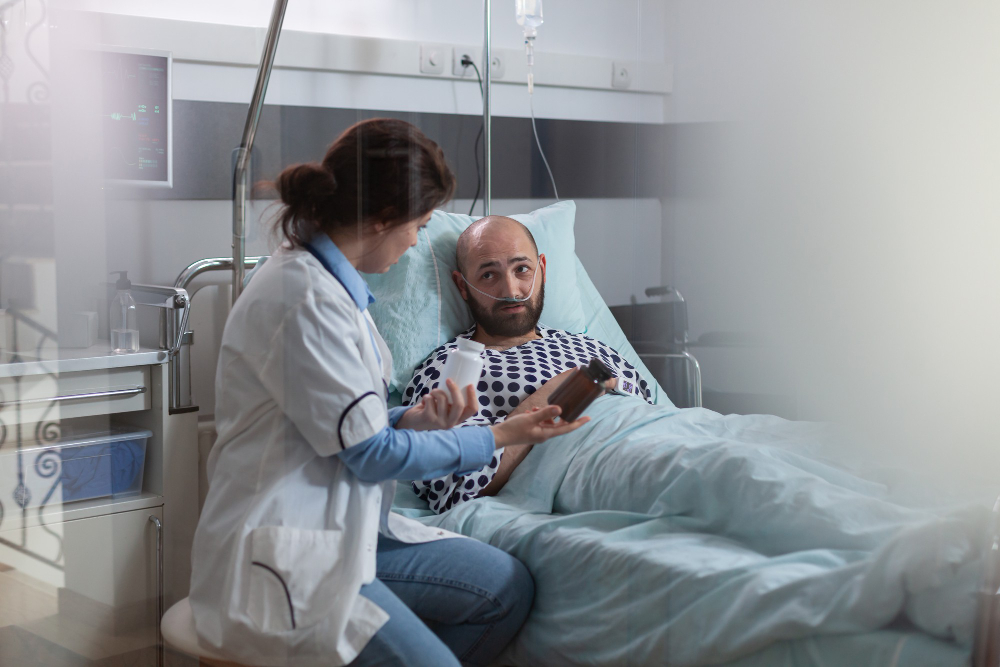
What is Sepsis?
Sepsis is a serious medical condition. It happens when the body reacts strongly to an infection. Because of this, the immune system can harm healthy tissues and organs. Early signs of sepsis are important to notice. If not treated quickly, sepsis can become life-threatening. According to the CDC, sepsis affects millions of people each year worldwide. Sepsis treatment options are available, but early care is key for recovery.
Symptoms of Sepsis
Sepsis warning signs can appear suddenly. Therefore, knowing the symptoms can help you act fast. Common symptoms include:
If you notice these symptoms, especially after an infection, seek medical help right away. Early treatment can improve sepsis recovery.
Causes and Risk Factors
Sepsis is caused by the body’s response to an infection. Usually, bacteria are the main cause. However, viruses, fungi, or parasites can also lead to sepsis. Some people have a higher risk of sepsis. These risk factors include:
Because of these risks, people in hospitals or with chronic health problems should stay alert for sepsis warning signs.
How Sepsis is Diagnosed
Doctors use several steps to diagnose sepsis. First, they check your symptoms and medical history. Next, they may order tests, such as:
Because early diagnosis is important, doctors act quickly if they suspect sepsis. Quick action can help prevent serious problems.
Treatment Options for Sepsis
Sepsis treatment options depend on how severe the condition is. However, most people need care in a hospital. Treatment may include:
Sometimes, surgery is needed to remove the source of infection. Because sepsis can get worse quickly, starting treatment early is very important for recovery.
Prevention and Lifestyle Tips
Although sepsis is serious, you can take steps to lower your risk. Here are some tips on how to prevent sepsis:
In addition, spreading sepsis awareness in your community can help others stay safe. Early action saves lives.
When to Seek Medical Help
If you notice early signs of sepsis, do not wait. Seek medical help right away if you or someone you know has:
Remember, quick treatment can make a big difference in sepsis recovery. If you suspect sepsis, consult a healthcare professional at Svaraaj Hospital immediately for personalized guidance.