
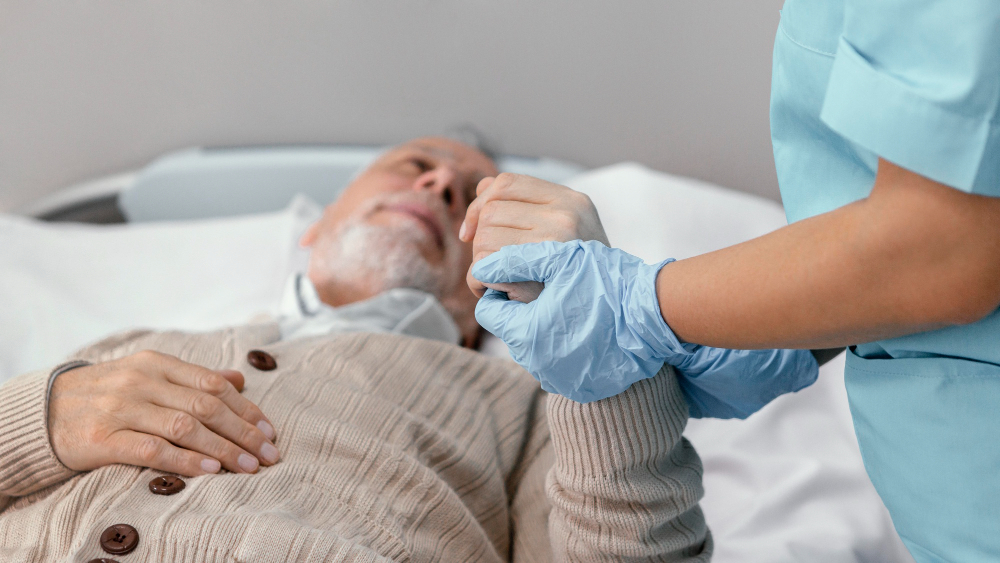
What is a Stroke?
A stroke happens when blood flow to part of the brain stops. Because the brain needs oxygen, this can cause brain cells to die. As a result, a stroke is a medical emergency. Quick treatment can save lives and lower the risk of lasting problems. According to the CDC, stroke is a leading cause of death and disability worldwide. Many people recover well if they get help fast. Therefore, knowing about stroke is important for everyone.
Common Symptoms of Stroke
Recognizing stroke symptoms early can save lives. Often, symptoms appear suddenly. If you notice any of these signs, act quickly:
For example, the “FAST” test can help you remember the main signs:
Because stroke symptoms can be mild or severe, it is always best to seek help right away.
Causes and Risk Factors
There are two main types of stroke: ischemic and hemorrhagic. Ischemic stroke is caused by a blocked blood vessel, while hemorrhagic stroke happens when a blood vessel bursts. Both types stop blood from reaching the brain. Several risk factors can increase your chance of having a stroke. Some you can control, while others you cannot.
Common risk factors include:
Because some risk factors can be changed, healthy habits are important for stroke prevention.
How Stroke is Diagnosed
Doctors use several tests to diagnose stroke. First, they ask about symptoms and medical history. Next, they do a physical exam. Often, doctors order brain scans, such as a CT scan or MRI. These tests show if there is bleeding or a blocked vessel in the brain. Blood tests may also help find the cause. Sometimes, doctors use heart tests or ultrasound to check for blood clots. Quick diagnosis is key, so treatment can start as soon as possible.
Treatment Options for Stroke
Treatment for stroke depends on the type and how soon you get help. For ischemic stroke, doctors may use clot-busting drugs. These must be given within a few hours of symptoms starting. Sometimes, doctors remove the clot with a special device. For hemorrhagic stroke, treatment may include surgery to stop bleeding. After the emergency, many people need rehabilitation. This can include physical therapy, speech therapy, or occupational therapy. Because every stroke is different, treatment plans are made for each person.
Prevention Tips and Lifestyle Guidance
While some risk factors cannot be changed, many strokes can be prevented. Healthy habits lower your risk. Here are some stroke prevention tips:
Because prevention is better than cure, making small changes can have a big impact on your health.
When to Seek Medical Help
If you or someone you know shows signs of stroke, call emergency services right away. Do not wait to see if symptoms go away. Early treatment can save brain cells and improve recovery. Even if symptoms seem mild, it is important to get checked by a doctor. Remember, every minute counts during a stroke.
In summary, knowing the signs and risk factors of stroke can help you act fast. For personalized advice on stroke prevention and care, consult a healthcare specialist at Svaraaj Hospital.