
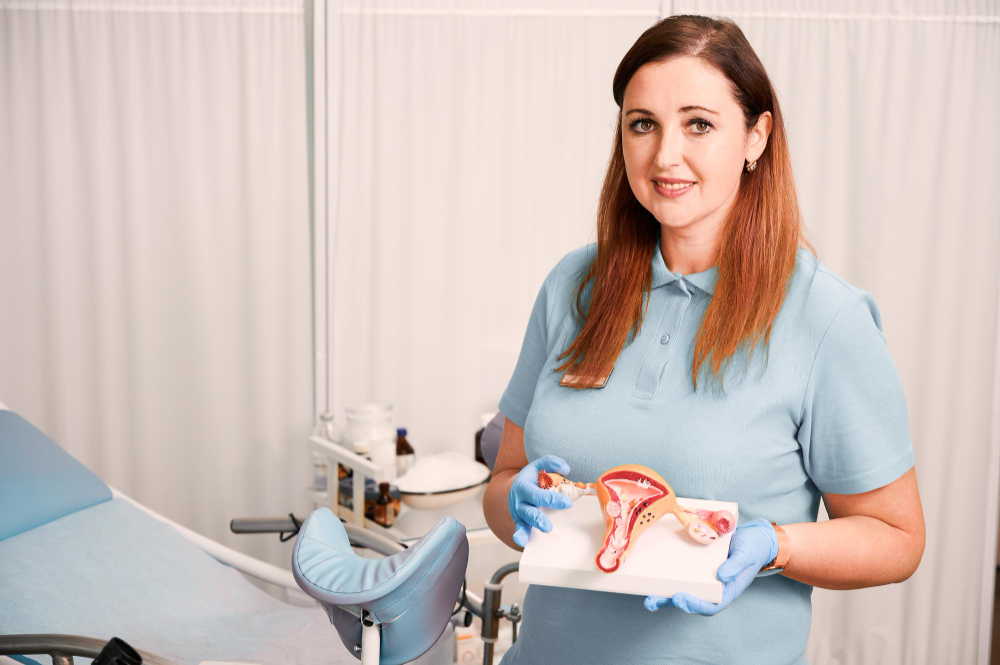
What Are Ovarian Cysts?
Ovarian cysts are fluid-filled sacs that form on or inside a woman’s ovary. Most women will have an ovarian cyst at some point in their lives. Often, these cysts are harmless and go away on their own. However, some cysts can cause pain or other problems. In the United States, ovarian cysts are a common reason for visits to the doctor. Understanding what ovarian cysts are can help you know when to seek care.
Common Symptoms of Ovarian Cysts
Many ovarian cysts do not cause symptoms. Still, some women may notice changes. For example, you might feel pain or pressure in your lower belly. Sometimes, symptoms can be more severe. Below are common signs:
If you notice these ovarian cyst symptoms, it is important to pay attention. Sometimes, symptoms can be mild. But, if pain is sudden or severe, you should seek help right away.
Causes and Risk Factors
Ovarian cysts can form for many reasons. Most often, they develop as part of the normal menstrual cycle. These are called functional cysts. However, other types can also form. Here are some common causes and risk factors:
Additionally, women who have irregular periods may be at higher risk. But, most cysts are not linked to cancer. According to the CDC, most ovarian cysts are benign, meaning they are not cancerous.
How Ovarian Cysts Are Diagnosed
Doctors use several methods to find out if you have ovarian cysts. First, your doctor may ask about your symptoms and medical history. Next, a pelvic exam is often done. If a cyst is suspected, further tests may be needed. Here is how ovarian cysts are diagnosed:
Because some cysts can look like other problems, your doctor may order more than one test. Early diagnosis helps guide the best treatment for you.
Treatment Options for Ovarian Cysts
Treatment for ovarian cysts depends on the type, size, and your symptoms. Many cysts go away without treatment. However, some may need care. Here are common treatment options:
In most cases, treatment for ovarian cysts is simple and safe. But, always follow your doctor’s advice for the best results.
Prevention and Lifestyle Tips
While you cannot always prevent ovarian cysts, some steps may lower your risk. For example, regular check-ups can help find problems early. Here are some tips for preventing ovarian cysts:
Additionally, knowing your family history can help you and your doctor make informed choices.
When to See a Doctor
Most ovarian cysts are harmless. However, you should see a doctor if you have:
Early care can prevent complications. So, do not ignore symptoms that worry you.
In summary, ovarian cysts are common and often harmless. But, knowing the symptoms and when to seek help is important. Consult a healthcare specialist at Svaraaj Hospital for personalized advice about ovarian cysts.